Published on June 9, 2026 by
Key Takeaways
- The roof replacement process moves through six clear phases: inspection, contract and planning, material delivery, tear-off, installation, and final cleanup.
- Most Colorado residential roofs can be replaced in one to three days for asphalt shingles or three to seven days for metal, with the full project from contract to completion typically taking two to four weeks.
- On Point Contracting is a Colorado roofing contractor that walks homeowners through every phase of the roof replacement process, from inspection to final cleanup, with transparent pricing and concierge-level service.
What Is the Roof Replacement Process?
A roof replacement is one of the largest home improvement projects most Colorado homeowners will ever take on. Knowing what to expect at each phase removes most of the stress and helps you spot issues if something goes wrong.
According to Owens Corning, “Getting a new roof installed on your house is a great way to update your home and improve curb appeal.” Beyond aesthetics, a new roof protects your home from Colorado’s hail, UV exposure, and freeze-thaw cycles for decades.
Here is what the typical roof replacement process looks like from first inspection to final cleanup, and what you can do to keep the project on track.
Phase 1: Inspection and Estimate
Every legitimate roof replacement starts with an on-site inspection. A qualified Colorado roofing contractor walks the roof, checks the attic for ventilation and signs of leaks, and evaluates the condition of the decking, flashing, and existing materials.
The inspection should produce three things:
- A detailed written estimate that itemizes labor, materials, tear-off, and disposal
- A scope of work outlining what is included and excluded
- A clear recommendation on whether you actually need replacement or whether repair would be appropriate
A good estimate is itemized, not a single lump sum. It specifies the underlayment type, flashing replacements, ventilation upgrades, and cleanup methods. Vague estimates often hide cost surprises later.
This is also the right time to ask whether the contractor is certified by manufacturers like GAF, Owens Corning, or CertainTeed. Manufacturer certifications matter because they unlock extended warranty options that uncertified contractors cannot offer.
Typical timeline: 1 to 2 hours on site, with the written estimate delivered within 1 to 3 business days.
Phase 2: Contract, Permits, and Planning
Once you accept the estimate, the next phase moves the project from concept to reality.
This phase covers:
- Signed contract with payment terms, start date, and scope of work
- Permit application with the local jurisdiction (most Colorado municipalities require permits)
- Material selection including shingle color, manufacturer, and any optional upgrades
- Insurance coordination if the project is being filed under a hail or storm claim
- Material ordering based on the finalized selections
For homeowners filing insurance claims after a hail event, this phase usually involves coordinating with your insurer’s adjuster and providing documentation. A reputable contractor handles much of the back-and-forth on your behalf.
Typical timeline: 1 to 4 weeks. Premium materials like DaVinci synthetic, concrete tile, or specialty metal panels may have lead times of 2 to 6 weeks.
Phase 3: Pre-Installation Preparation
A day or two before installation begins, your contractor delivers materials and equipment. This usually includes a dumpster placed in the driveway, palletized shingles or panels, underlayment rolls, and other supplies.
Here is what you should do as the homeowner before the crew arrives:
- Move vehicles out of the driveway and garage where they could be blocked or damaged
- Remove or cover patio furniture, grills, and decorations near the house
- Take down wall art and fragile items on upper floors
- Mark sprinkler heads and delicate landscaping with flags or tape
- Cut your grass short so leftover nails are easier to find
- Plan to keep pets indoors or off-site during the install
- Notify neighbors about the upcoming noise
Clearing the work area helps the crew move efficiently and reduces the chance of damage to your property.
Phase 4: Tear-Off
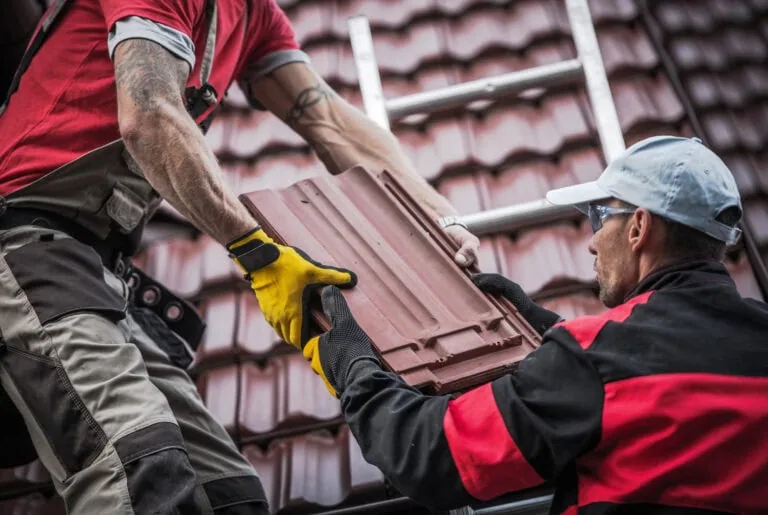
The actual replacement begins with tear-off. The crew strips the old roof down to the wood decking. Old shingles, underlayment, flashing, and any rusted vents come off and go into the dumpster.
This is the loudest phase. Hammering, dragging, and falling debris can be jarring even when you know it is coming. Most homeowners choose to leave the house during tear-off if possible.
Once the deck is exposed, your contractor inspects the wood for damage. Rot, soft spots, or missing sections need to be replaced before the new roof goes on. Decking replacement is usually billed as an additional line item because it cannot be assessed until the old roof is removed.
Typical timeline: 4 to 8 hours for an average single-family home.
Phase 5: New Roof Installation
With the deck cleaned and repaired, the new roof installation begins. The order of operations is consistent regardless of material type.
| Step | What Happens | Why It Matters |
|---|---|---|
| Drip edge | Metal flashing installed at eaves and rakes | Directs water away from fascia and into gutters |
| Underlayment | Synthetic or felt water barrier installed over decking | Secondary waterproof layer beneath shingles |
| Ice and water shield | Self-adhering membrane in valleys and eaves | Critical in Colorado for ice dam protection |
| Flashing | Around chimneys, skylights, vents, and wall transitions | Prevents most common leak points |
| Shingles or panels | Main roofing material installed from bottom to top | Visible surface and primary weather barrier |
| Ridge vents and ridge cap | Final installation along peaks | Provides ventilation and seals the roof system |
Each step builds on the one before it. Skipping or rushing any of them creates leak points and shortens the roof’s life.
For Colorado homes, ice and water shield in valleys, eaves, and around penetrations is especially important. The freeze-thaw cycles and occasional ice dams demand this extra protection.
Typical timeline:
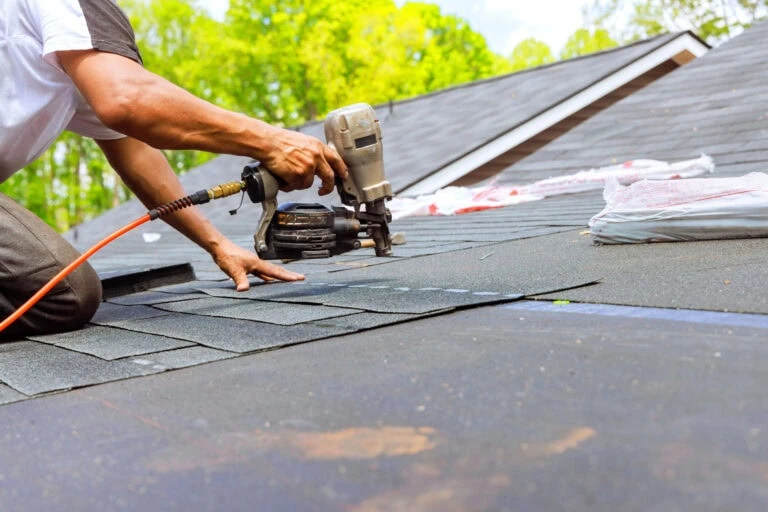
- Asphalt shingles: 1 to 2 days for most homes
- Metal roofing: 3 to 5 days due to specialized fastening
- Concrete tile or DaVinci synthetic: 3 to 7 days
Phase 6: Cleanup and Final Inspection
The job is not finished when the last shingle goes on. Cleanup separates good contractors from bad ones.
A complete cleanup includes:
- Removing all debris from the roof, gutters, and yard
- Running magnetic sweepers across the lawn and driveway multiple times to catch nails
- Hauling the dumpster away within a day or two of completion
- Walking the property with the homeowner to identify any missed items
- Photographing the finished roof for warranty documentation
Then comes the final inspection. Your contractor should walk you through the completed roof, explain the warranty registration, and provide written documentation. For permitted projects, the local building inspector visits to verify code compliance.
Typical timeline: 2 to 4 hours for cleanup, with final inspection scheduled within a week.
The 5 Most Common Roofing Problems and How To Handle Each One
How Long Does the Whole Roof Replacement Process Take?
Here is a realistic timeline for a complete Colorado roof replacement from initial call to final inspection.
| Phase | Duration |
|---|---|
| Inspection and estimate | 1 to 3 days |
| Contract, permits, materials | 1 to 4 weeks |
| Pre-installation preparation | 1 to 2 days |
| Tear-off | 4 to 8 hours |
| Installation | 1 to 7 days (material dependent) |
| Cleanup and final inspection | 2 to 7 days |
| Total | 2 to 6 weeks |
The biggest variables are material availability, weather, and insurance claim coordination. Insurance-driven replacements after major hail events take longer, especially during peak storm season.
What Can Slow Down a Roof Replacement?
Even well-planned projects can hit delays. The most common causes for Colorado replacements include:
- Weather. Rain, snow, and high winds halt installation. Afternoon thunderstorms can push work into the next day.
- Hidden decking damage. Rot or storm-damaged decking discovered during tear-off requires additional materials and time.
- Permit delays. Some Colorado municipalities take longer than others to issue permits.
- Material backorders. Premium materials sometimes have multi-week lead times.
- Insurance back-and-forth. Adjuster supplements, denied items, and depreciation negotiations can extend the timeline.
A good contractor communicates these delays as soon as they happen rather than letting you discover them on your own.
How to Choose a Colorado Roofing Contractor
The contractor you hire matters more than any other decision in the roof replacement process. Look for:
- Verifiable licensing, liability insurance, and workers’ compensation
- Manufacturer certifications (GAF Master Elite, Owens Corning Platinum, CertainTeed SELECT)
- Strong workmanship warranty (10 years or more is standard for premium contractors)
- Local references from recent projects
- Detailed itemized estimates rather than lump-sum quotes
Storm-chaser contractors who appear after major hail events and disappear shortly after are a recurring problem in Colorado. A locally established roofing contractor with a permanent address and verifiable reviews is always the safer choice.
On Point Contracting checks all of these boxes for homeowners across the Front Range and the mountain communities, with manufacturer certifications, a permanent Colorado address, and a track record of high-end residential roof replacements.
What You Should Do Next
The roof replacement process is straightforward when you know the phases. Most stress comes from the unknown, not from the work itself.
- Schedule a professional inspection before committing to anything. A good contractor inspects the roof, attic, and gutters before quoting.
- Get itemized written estimates from at least two contractors. Compare scope, materials, and warranty terms rather than just the bottom-line price.
- Schedule a free assessment with On Point Contracting. We provide a detailed inspection, walk you through every option, and handle the entire roof replacement process from estimate to cleanup. Visit our website to request a free estimate today.
FAQs
How long does a typical roof replacement take in colorado?
Most asphalt shingle replacements take one to two days for an average single-family home. Metal, tile, and DaVinci synthetic roofs take three to seven days due to specialized installation. The full process from initial inspection to final cleanup typically spans two to four weeks.
Do I need to be home during a roof replacement?
No. Most homeowners leave during tear-off and installation because of the noise. Your contractor needs access to outdoor electrical outlets and to the property, but you do not need to be present.
What happens if it rains during my roof replacement?
Reputable contractors monitor weather closely and stop work before rain arrives. Exposed decking is tarped to keep water out. Your contractor should have a clear weather contingency plan in writing as part of the contract.
Will I need a permit for my roof replacement?
Yes, in most Colorado municipalities. Permit requirements vary by county and city, but residential roof replacements typically require a permit. Your contractor handles the application and inspection coordination.
How soon can I have a new roof installed after a hail storm?
After a major hail event, peak demand can extend timelines to 6 to 12 weeks. Filing your insurance claim quickly and choosing an established Colorado roofing contractor (not a storm chaser) helps you get on the schedule sooner.