Published on June 11, 2026 by
Key Takeaways
- The average lifespan of a roof in Colorado ranges from 15 to 70 years, depending on the material, with asphalt shingles typically lasting 15 to 25 years and metal roofs lasting 40 to 70 years.
- Five factors most often shorten a Colorado roof’s life by 10 years or more: poor ventilation, hail damage, UV exposure at altitude, deferred maintenance, and improper installation.
- On Point Contracting is a Colorado roofing contractor that helps homeowners maximize their roof’s lifespan through quality installation, premium materials, and proactive maintenance.
How Long Should a Roof Last?
The honest answer is that it depends. The average lifespan of a roof varies based on the material, the climate, the installation quality, and how well the homeowner maintains it. In Colorado, the climate adds additional stress that shortens these averages compared to milder regions.
Here is what to expect from the most common residential roofing materials installed in Colorado:
| Roofing Material | Average Lifespan | Lifespan in Colorado |
|---|---|---|
| 3-tab asphalt shingles | 15 to 20 years | 12 to 18 years |
| Architectural asphalt shingles | 25 to 30 years | 18 to 25 years |
| Class 4 impact-resistant shingles | 25 to 50 years | 25 to 40 years |
| Metal roofing (steel, aluminum) | 40 to 70 years | 40 to 60 years |
| Standing seam metal | 50 to 70+ years | 50 to 70 years |
| Concrete tile | 50+ years | 50+ years |
| DaVinci synthetic tile | 50+ years | 50+ years |
| Wood shake | 20 to 30 years | 15 to 25 years |
Colorado roofs almost always sit at the lower end of the published lifespan ranges. The state’s combination of UV intensity, altitude, freeze-thaw cycles, and frequent hail puts roofs through a harder workout than in most parts of the country. Even roofs that appear fine from the ground often need professional inspection by year 12 to 15 because cumulative stress accumulates faster at altitude.
What Shortens a Roof’s Life by 10 Years or More
Most roofs do not fail because of age alone. They fail because of conditions that accelerate wear. Here are the five biggest culprits we see in Colorado, and how each one shaves years off your roof’s expected life.
1. Poor Attic Ventilation
Poor attic ventilation is one of the most overlooked causes of premature roof failure. When hot air gets trapped under the decking, shingles bake from below at temperatures far higher than they were designed to handle.
According to the International Association of Certified Home Inspectors (InterNACHI), “Poor ventilation of the roof structure shortens shingle lifespan by failing to keep shingles cool, resulting in accelerated loss of volatiles and greater amounts of thermal cycling.”
In plain language, asphalt shingles dry out faster, lose granules earlier, and crack sooner when ventilation is inadequate. The fix is balanced ridge and soffit vents that allow continuous airflow.
How much it costs you: Poor ventilation alone can shorten roof life by 5 to 10 years.
2. Hail Damage and Repeated Storm Cycles
Colorado is one of the most hail-prone states in the country. The Front Range sees dozens of significant hail events each year, and even small hail can compromise shingles in ways that are invisible from the ground.
Bruised shingles often appear fine after a storm but fail months later as the damaged fiberglass mat absorbs moisture. Repeat that cycle across two or three storms and a 25-year shingle becomes a 12-year shingle.
The fix is two-part. Schedule a professional roof inspection within a week of any major hail event. When it is time to replace, choose Class 4 impact-resistant shingles or a metal roofing system designed for Colorado hail.
How much it costs you: Repeated hail damage can shorten asphalt shingle life by 8 to 12 years.
3. UV Exposure at Colorado’s Altitude
Most published roof lifespan figures assume sea-level UV intensity. Colorado homes sit at 5,000 to 10,000 feet, where UV radiation is significantly stronger.
UV rays break down the chemical bonds in asphalt shingles, dry out the petroleum binders, and accelerate granule loss. South-facing roof slopes deteriorate noticeably faster than north-facing ones. Dark-colored shingles absorb more heat and degrade faster than lighter colors.
The fix is partly material selection. Reflective metal roofs, lighter-colored asphalt, and tile materials all handle UV better than standard dark architectural shingles.
How much it costs you: High-altitude UV can shorten roof life by 3 to 7 years versus low-elevation expectations.
4. Deferred Maintenance
Roofs are not install-and-forget systems. Skipping maintenance accelerates wear in ways most homeowners do not notice until water shows up on the ceiling.
The most common maintenance failures include:
- Clogged gutters that cause water to back up under shingles
- Cracked sealant around chimneys, skylights, and vents
- Tree branches that rub against shingles or drop acidic debris
- Algae and moss that traps moisture against the roof
- Loose flashing that lifts during wind and lets water in
A simple annual inspection catches all of these. Most homeowners can spot issues from the ground with binoculars after big storms.
How much it costs you: Deferred maintenance can shorten any roof’s life by 5 to 10 years across all material types.
5. Improper Installation
Even premium materials fail prematurely when installed incorrectly. Common installation issues include nails driven in the wrong location, too few fasteners, missing or improperly cut flashing, inadequate underlayment, and skipped starter strips.
These problems are usually invisible to homeowners but show up within five to ten years as leaks, lifted shingles, and premature wear. By that point, the original installer is often unreachable.
The fix is preventive: hire a licensed, insured roofing contractor with verifiable references, manufacturer certifications, and a written warranty. The cheapest bid is rarely the best long-term value.
How much it costs you: Bad installation can shorten roof life by 10 to 20 years and frequently voids manufacturer warranties.

Advantages of Using DaVinci Roof Tiles for Colorado Houses
How to Maximize Your Roof’s Lifespan
The good news is that all five of these factors are addressable. Here is what Colorado homeowners can do to push their roof toward the upper end of its expected lifespan.
- Verify proper ventilation. During any roof installation or inspection, confirm that ridge and soffit vents are providing balanced airflow.
- Schedule annual inspections. A 30-minute professional inspection once a year catches small issues before they shorten your roof’s life. Add an inspection after every major hail or wind event.
- Choose materials suited to Colorado. Class 4 impact-resistant shingles, standing seam metal, DaVinci synthetic tile, and concrete tile all outperform standard asphalt under our conditions.
- Maintain gutters and trim trees. Clean gutters at least twice a year. Trim branches that overhang or contact the roof.
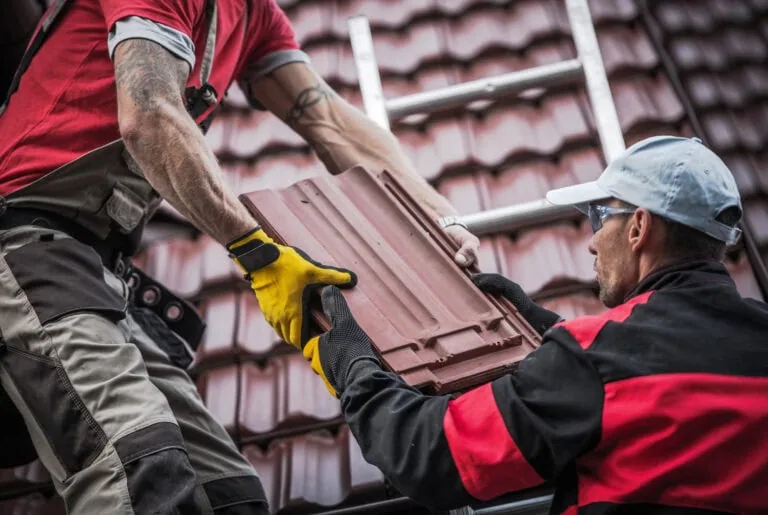
- Hire qualified installers. A roofing contractor with manufacturer certifications, proper insurance, and strong references will install the roof to deliver its full warranted lifespan.
When to Replace vs. Repair Your Colorado Roof
Even with good maintenance, every roof eventually reaches the end of its life. Here is how to tell when it is time to consider replacement.
| Problem | Sign | Likely Issue |
|---|---|---|
| Granules in gutters | Asphalt shingle wear | Inspection; full replacement if widespread |
| Curling or cupping shingles | UV damage or ventilation failure | Replacement is usually the right call |
| Missing shingles | Wind damage | Repair if isolated, replace if widespread |
| Visible sagging | Structural or moisture damage | Immediate professional assessment |
| Active leak | Flashing or shingle failure | Repair the leak source promptly |
| Roof is over 20 years old | End-of-life approach | Plan for replacement |
If your roof is showing two or more of these signs, replacement is usually more cost-effective than continued repair.
How On Point Contracting Helps Colorado Homeowners
Maximizing the lifespan of a Colorado roof comes down to three things: choosing the right material, installing it correctly, and maintaining it over time. We help homeowners with all three.
On Point Contracting USA is a Colorado roofing contractor specializing in premium roofing systems for homeowners across the Front Range and the mountain communities. We offer free no-obligation inspections, transparent pricing, and full insurance claim management. We install Class 4 impact-resistant shingles, standing seam metal, DaVinci synthetic tile, concrete tile, and custom snow retention systems for high-altitude properties.
We have built our reputation in Cherry Hills Village, Greenwood Village, Hilltop, Englewood, Castle Rock, Colorado Springs, Vail, and Breckenridge by delivering roofs that last and providing concierge-level service throughout the project.
What You Should Do Next
Whether your roof is brand new or approaching the end of its life, knowing what shortens its lifespan helps you protect your investment.
- Inspect your roof annually. Walk the perimeter with binoculars. Look for granule loss, curling shingles, and damaged flashing.
- Document any storm damage with dated photos after every significant hail or wind event for insurance purposes.
- Schedule a free assessment with On Point Contracting. We provide a detailed inspection and recommend whether maintenance, repair, or replacement is the right next step. Visit our website to request a free estimate today.
FAQs
What is the average lifespan of a roof in colorado?
The average lifespan of a roof in Colorado ranges from 12 to 70 years depending on material. Standard asphalt shingles typically last 12 to 18 years, architectural shingles last 18 to 25 years, and metal roofs last 40 to 60 years. Colorado roofs generally fall at the lower end of national ranges due to UV intensity, altitude, hail, and freeze-thaw cycles.
How often should I have my roof inspected?
Schedule a professional roof inspection at least once a year, plus after every major hail or wind event. Inspections matter more in Colorado than in most states because hail damage often hides under apparently intact shingles. Most reputable Colorado roofing contractors offer free inspections.
Does roof ventilation really matter for lifespan?
Yes. Poor attic ventilation is one of the most common reasons roofs fail prematurely. When heat and moisture get trapped under the decking, shingles dry out faster, decking warps, and the roof system ages well before its expected life. Proper ridge and soffit ventilation can extend roof life by 5 to 10 years.
Can a roof last longer than its warranty?
Sometimes, yes. A roof installed properly and maintained well can occasionally exceed its warranty period, especially metal and tile systems. However, most asphalt shingle roofs in Colorado will not exceed warranty due to UV and hail stress. Plan replacement based on visible condition.
Should I replace my roof before selling my home?
If your roof is more than 15 to 20 years old or has visible damage, replacing it before selling can speed up the sale and increase the offer price. Buyers in Colorado are wary of older roofs because of hail and weather risks. A new roof is one of the highest-ROI improvements available, particularly in hail-prone neighborhoods.