Published on August 11, 2025 by

Key Takeaways
- Attic ventilation needs a balanced system of intake and exhaust vents to prevent heat and moisture damage.
- Blocked vents, poor airflow, or the wrong setup can cause high energy bills, roof damage, mold, and pests.
- On Point Contracting USA installs proper ventilation for your climate to keep your attic dry, safe, and energy-efficient year-round.
5 Steps to Ensure Proper Attic Ventilation System
A proper attic ventilation system requires a balanced system that allows fresh air in and pushes stale air out. Without that balance, heat and moisture build up, leading to roof damage, mold, and higher energy bills.

1. Use a Balanced Intake and Exhaust System
You need both intake and exhaust vents to work together. Intake vents (usually at the soffits) bring in cool air, while exhaust vents (typically at the ridge or gables) release warm, moist air.
Without enough intake, exhaust vents can’t work properly. And without exhaust, warm air stays trapped and causes damage over time.
2. Choose the Right Vent Types for Your Roof
Common options include:
- Soffit vents. Installed under the eaves to pull in fresh air
- Ridge vents. Run along the roof peak to exhaust warm air
- Gable vents. Placed on sidewalls to assist with cross ventilation
- Roof vents or turbines. Installed directly on the roof surface for added exhaust
The best setup depends on your roof design, pitch, and attic size.
3. Make Sure Air Can Flow Freely
Even with the right vents, airflow won’t happen if it’s blocked.
Check that insulation is not covering soffit vents. Use baffles to keep pathways open from soffit to ridge. Ventilation only works when air can travel smoothly from low to high points.
4. Calculate the Right Ventilation Amount
Ventilation is measured by square footage. A general rule is 1 square foot of ventilation (half intake, half exhaust) for every 300 square feet of attic space with a vapor barrier.
Without a vapor barrier, increase that to 1 square foot per 150 square feet of space. Skipping this step leads to underperforming systems.
5. Seal Air Leaks and Insulate Correctly
Before improving vents, seal gaps around light fixtures, ducts, and chimneys. This prevents warm indoor air from leaking into the attic.
Then check that your insulation supports airflow rather than blocking it. The goal is to work with your venting, not against it.
How Much Ventilation Does an Attic Need?
The most critical factor in determining attic ventilation is the square footage of your attic floor. This directly affects how much air needs to flow in and out to regulate temperature and moisture. A properly balanced system prevents roof damage, mold growth, and energy waste.
General guidelines for every household:
- If your attic has a vapor barrier. You need 1 square foot of ventilation for every 300 square feet of attic floor space.
- If your attic does not have a vapor barrier. You need 1 square foot of ventilation for every 150 square feet of attic space.
Split this total evenly between intake vents (at the soffits or eaves) and exhaust vents (at the ridge or roof peak).
For a 900 square foot attic with a vapor barrier:
- You need 3 square feet of total ventilation
- That equals 1.5 square feet of intake and 1.5 square feet of exhaust
Always calculate using net free area, which measures the actual open space available for airflow.
7 Warning Signs Your Attic Is Not Properly Vented
Poor attic ventilation can lead to roof damage, high utility bills, and indoor air quality issues. Spotting the warning signs early can save you from expensive repairs later.
1. Attic Is Excessively Hot
On a 90°F day, your attic should stay under 110°F. If it feels like a sauna or hits 130°F or more, your ventilation isn’t releasing trapped heat.
Prolonged high temperatures can warp roof decking, degrade shingles from below, and push your cooling system into overdrive.
2. Ice Dams or Large Icicles in Winter
If your roof develops thick icicles or ice sheets after snow, your attic is likely warming unevenly.
This uneven heat melts snow at the roof’s center, which refreezes at the colder edges. The ice buildup forces water under shingles, leading to leaks and structural damage.
3. Musty Smell or Damp Air
If you notice a damp or moldy odor in your attic or upper rooms, moisture may be collecting where it shouldn’t.
Poor airflow allows humidity to build up, encouraging mold growth on wood, insulation, and even drywall.
4. Condensation, Stains, or Frost
Water droplets on rafters or frost on the underside of your roof deck are signs of poor moisture control.
Trapped warm air condenses against cold surfaces, which over time leads to wood rot, rust, and ruined insulation.
5. Rising Energy Bills
If heating and cooling costs are climbing without clear reason, attic conditions may be affecting your home’s energy performance.
An overheated attic increases the load on your air conditioning, while damp insulation in winter makes your home harder to warm.
6. Shingles Wearing Out Early
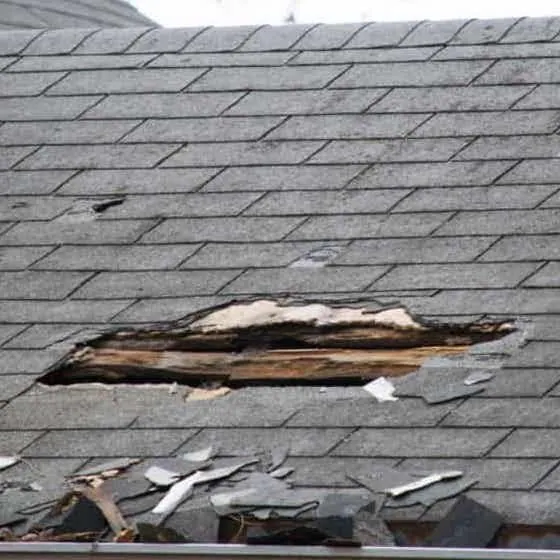
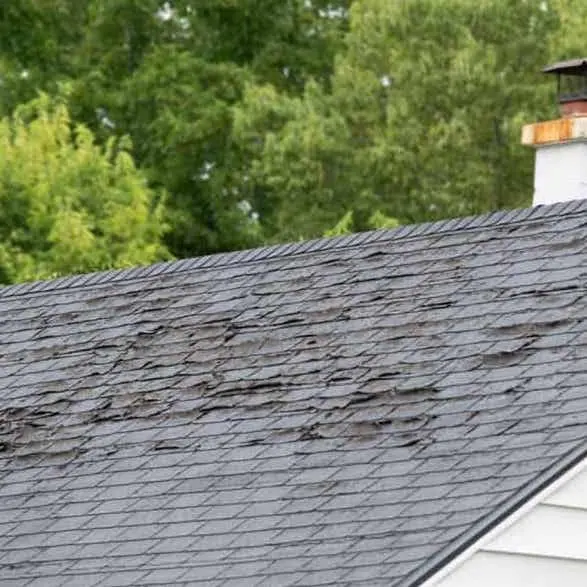
Curled, cracked, or bare shingles can point to excessive attic heat damaging your roof from the inside out.
High internal temperatures weaken adhesives and cause granules to shed, cutting roof life short and potentially voiding warranties.
7. Pests or Animal Activity
Scratching sounds, droppings, or signs of nesting in the attic may be linked to ventilation problems.
Extreme attic temperatures can cause wood to warp, creating openings where rodents and insects enter. Poor air circulation also provides a stable, hidden environment for them to settle.
Why Moisture in the Attic Is More Dangerous Than You Think
oisture in the attic can cause serious damage long before you ever see a leak. What starts as light condensation can quickly turn into mold, wood rot, and insulation failure. Because the space is rarely checked, these problems often grow unnoticed until repairs become expensive.
When warm indoor air rises and gets trapped in the attic, it condenses on cooler surfaces like wood framing and insulation. Over time, this moisture creates the perfect environment for mold and mildew. It also breaks down building materials, weakens your roof from the inside, and reduces your home’s energy efficiency.
Why It’s a Bigger Problem Than You Think
- Mold spreads fast. Once it starts, it can spread through ductwork and affect indoor air quality.
- Structural damage builds slowly. Moisture weakens wood, which compromises framing and roof decking.
- Wet insulation stops working. Once insulation is damp, it loses its ability to regulate temperature.
- You can’t see the damage easily. Most homeowners don’t notice a problem until it shows up as stains or ceiling leaks.
Moisture doesn’t need a roof leak to cause harm, it only needs poor ventilation. Without a steady flow of fresh air, humidity builds up and stays trapped.
If your attic smells musty, feels damp, or shows signs of mold or stains, it’s time to act. On Point Contracting USA offers ventilation assessments and repairs that stop moisture before it causes lasting damage. Our team ensures your attic stays dry, healthy, and protected all year long.
How to Choose the Right Attic Ventilation for Your Climate
Your climate plays a critical role in choosing the right ventilation system for your attic. The goal is to maintain a steady flow of cool air entering low and hot air escaping high. This helps remove moist air, prevent roof damage, and keep energy use in check. A properly designed system will vary based on how your local weather affects your home throughout the year.
1. Hot and Dry Climates
In these regions, the attic can quickly fill with hot air, causing your AC to work harder and your roof materials to degrade.
Best options
- Continuous soffit vents. Pull cool air into the attic at the lowest point.
- Ridge vent along the peak. Allows warm air and hot air to escape evenly.
- Solar attic fans or turbine vents. Help move air during windless, high-heat days.
- Rafter vents. Maintain airflow from soffits to the ridge by keeping insulation out of the way.
- Avoid relying solely on an exhaust fan unless the attic is sealed properly and balanced with enough intake.
2. Cold and Snowy Climates
The main issue here is preventing warm air from melting snow on your roof, which causes ice dams. Proper airflow keeps the attic close to the outside temperature.
Best options
- Soffit vents to pull in cold air at the base of the roof.
- Ridge vent or gable vents to release rising warm air.
- Turbine vents to assist passive ventilation during clear winter days.
- Proper insulation and insulation baffles. Prevents warm air from entering the attic and blocking airflow.
- Trapped moist air from winter heating also needs to be removed to prevent mold and rot.
3. Humid or Coastal Climates
These climates require strong airflow to constantly move out moist air and prevent long-term moisture damage.
Best options
- Larger soffit and ridge vent combinations. Ensure steady movement of cool air in and hot air out.
- Gable vents to improve cross-ventilation when ridge access is limited.
- Solar attic fans. Useful when humidity levels rise but wind is low.
- Proper insulation with vapor barriers. Keeps attic humidity in check from below.
- Attic airflow must be unrestricted or moist air will accumulate.
4. Mixed or Four-Season Climates
Homes in these regions need flexibility. A well-balanced ventilation system handles both hot air in summer and warm air buildup in winter.
Best options
- Balanced soffit and ridge vent setup. Supports year-round performance.
- Gable vents used alongside ridge or roof vents for additional exhaust.
- Turbine vents. Help move air passively without electricity.
- Rafter vents and insulation baffles. Ensure airflow is not blocked by insulation.
- Proper insulation. Essential to maintain temperature control and prevent interference with vents.
- Avoid combining powered and passive systems without professional planning. Poor integration can cause air pressure conflicts.
Keep Your Attic Dry, Cool, and Safe with the Right Ventilation Setup
Improper attic ventilation leads to high energy bills, roof damage, mold, and even pest issues—yet many homes still suffer from blocked vents or unbalanced systems. If your attic traps heat or moisture, it’s a silent threat to your comfort and your roof’s lifespan.
At On Point Contracting USA, we install ventilation systems that actually work for your home and your climate. Whether you’re dealing with humid air, extreme heat, or freezing winters, we design airflow that protects your attic and lowers your energy use. From intake to exhaust, we make sure every vent does its job so your attic stays dry, stable, and efficient all year.
Next Steps:
- Check your attic for signs of poor airflow like musty smells, damp insulation, or rising utility bills.
- Make sure your current vents aren’t blocked and are balanced for your attic’s size and climate.
- Schedule a free attic ventilation assessment with On Point Contracting USA so we can help you fix it for good.
Protect your home from the inside out. Call On Point Contracting USA today and let’s get your attic airflow working the way it should.